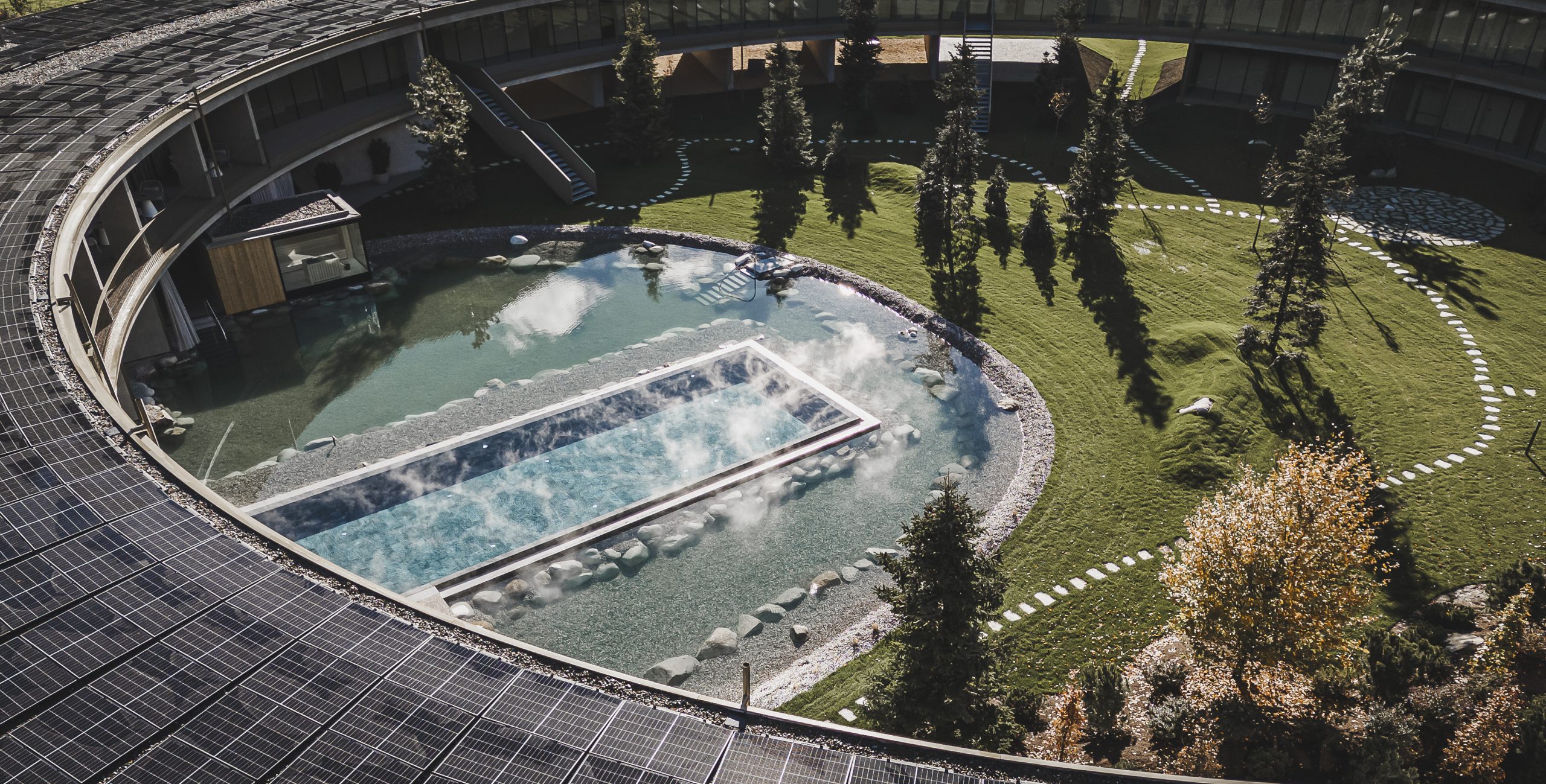
The new Eco Aparthotel OLM blends into the idyllic landscape of the Ahrntal, a side valley of the Pustertal, as a circular, energy self-sufficient feel-good address – a retreat for individualists who long for nature. We visited it at the end of November for the current issue of eMove360° magazine in german language. By Sabine […]
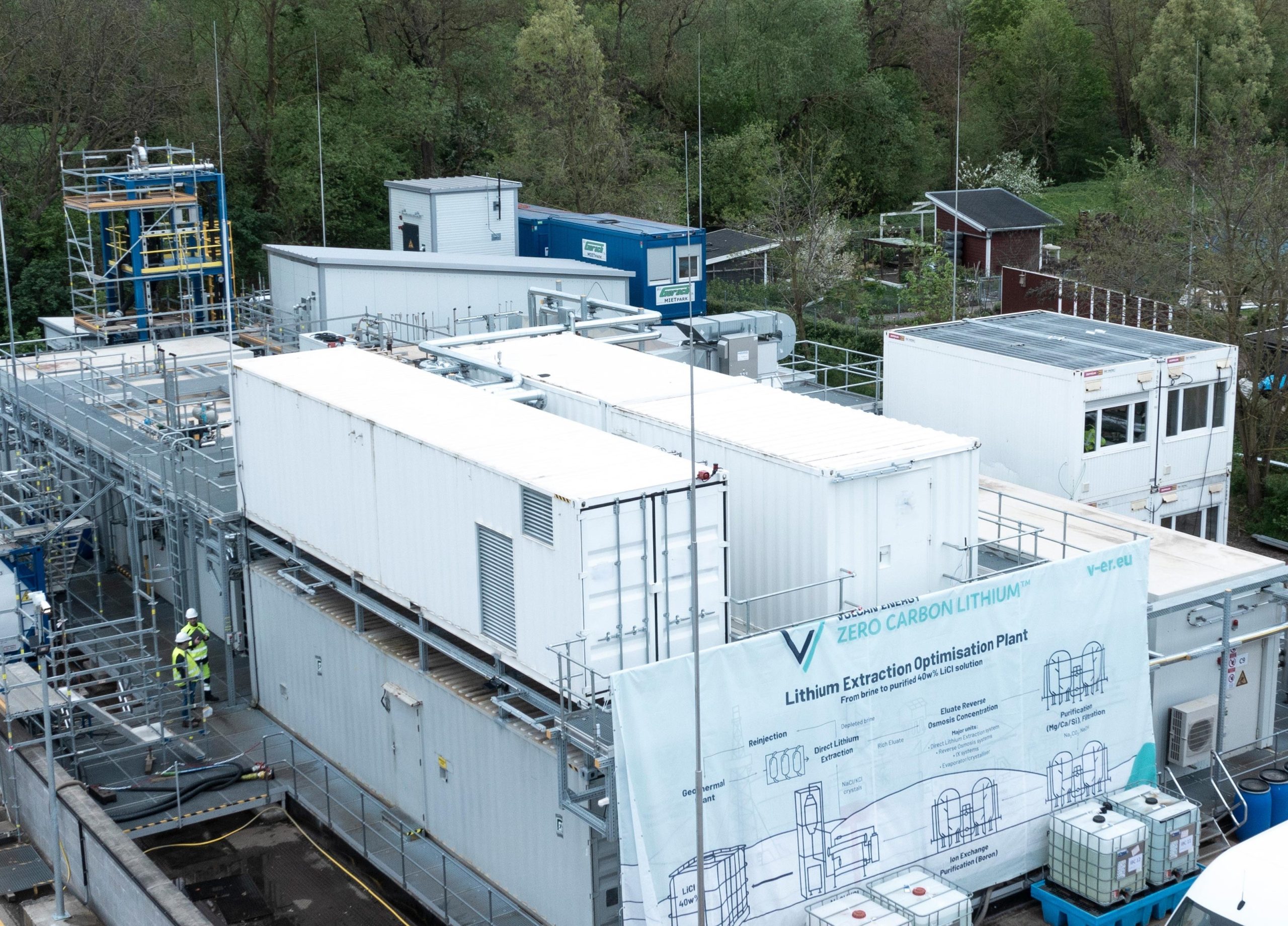
Vulcan has started production of green, climate-neutral lithium chloride at its lithium extraction optimization plant (LEOP) in Landau. This is the first lithium to be produced entirely in Europe. By using Direct Lithium Extraction by Adsorption (A-DLE), the company was able to achieve an efficiency of over 90% (up to 95%) in the extraction of […]
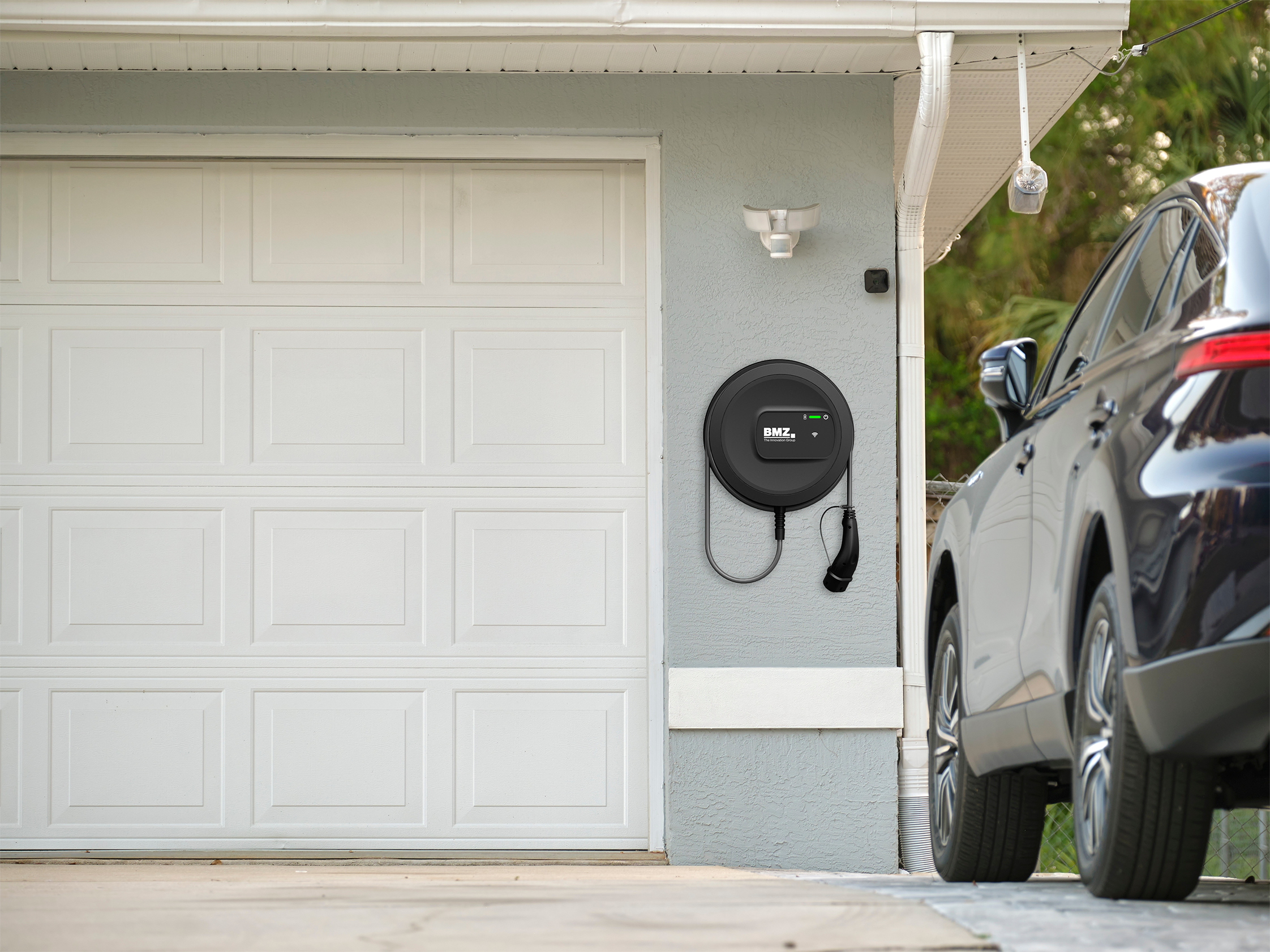
The BMZ Group, which previously specialized in lithium-ion and sodium-ion battery production, has introduced the POWER2CAR wallbox solution, which gives electric car owners independence from the availability and pricing of public charging options. POWER2CAR is the perfect addition for smart living concepts in single and multi-family homes with photovoltaic systems. POWER2CAR is round, weighs just […]
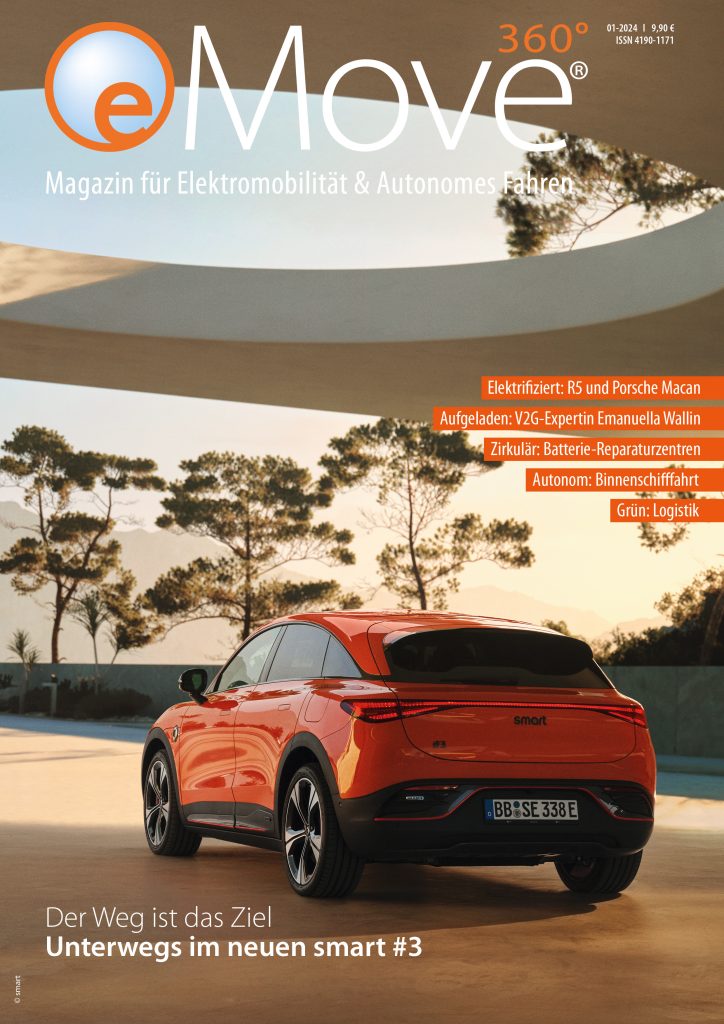
The eMove360° Magazine is the lifestyle-oriented magazine for new mobility. It combines research and development with the lifestyle of a sustainable mobility in urban and rural areas. It looks for technical solutions for a CO2 free traffic.